
TECO and MetAI Advance Industrial AI Infrastructure With SimReady Industrial Motor Digital Twins on
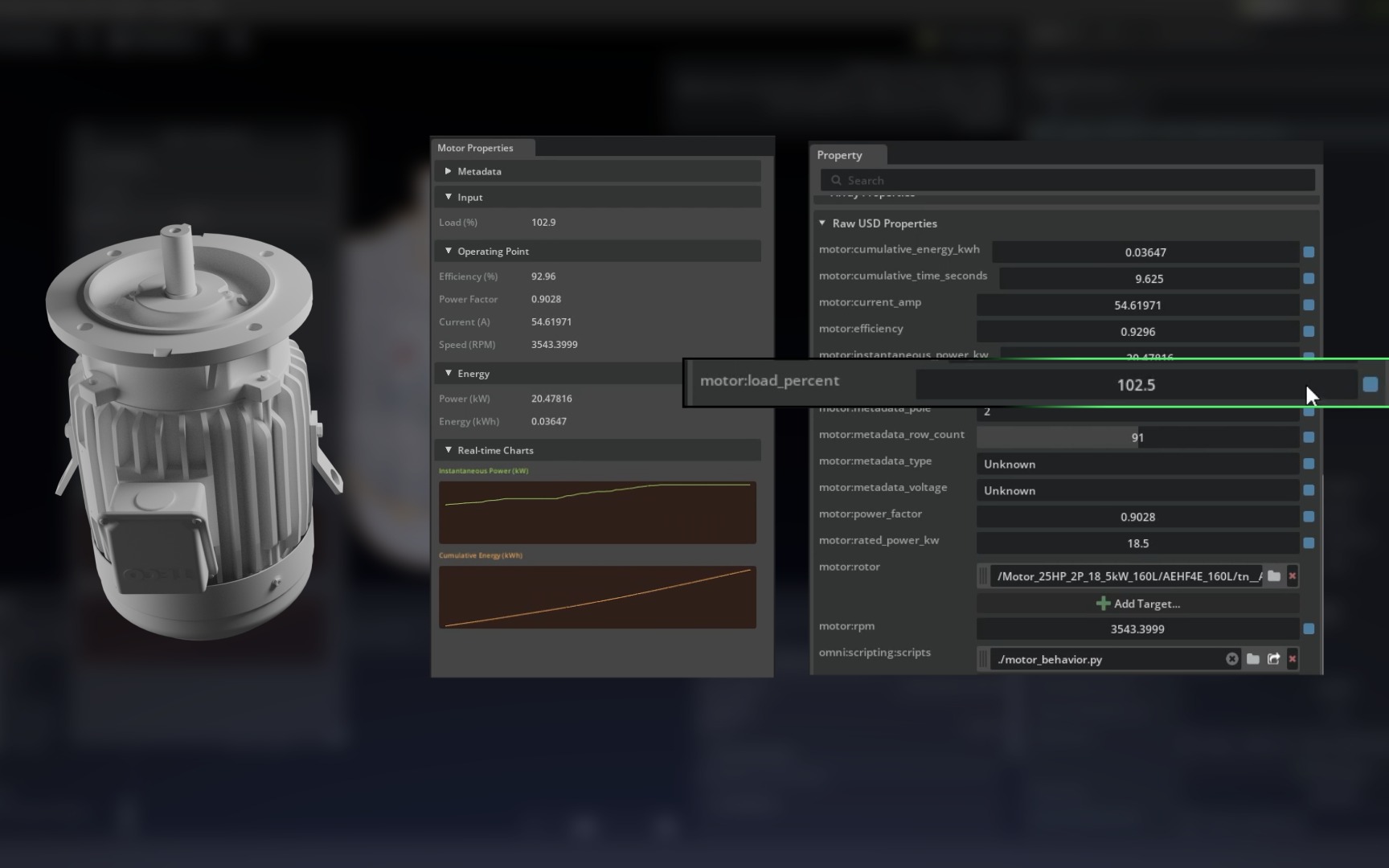
Taipei, Taiwan — June 1, 2026 — As industries accelerate toward AI-driven industrial manufacturing — particularly across semiconductor fabs and next-generation data center infrastructure — simulation-ready (SimReady) industrial assets are becoming a critical foundation for future industrial AI systems.
To support this shift, TECO Electric & Machinery and MetAI are collaborating to develop SimReady industrial motor digital twins on NVIDIA Omniverse libraries.
The collaboration focuses on transforming industrial motor engineering data — including CAD drawings, performance curves, rating combinations, and operational specifications — into structured, reusable, physics-aware digital twin assets designed for simulation, validation, and future AI-driven industrial workflows.
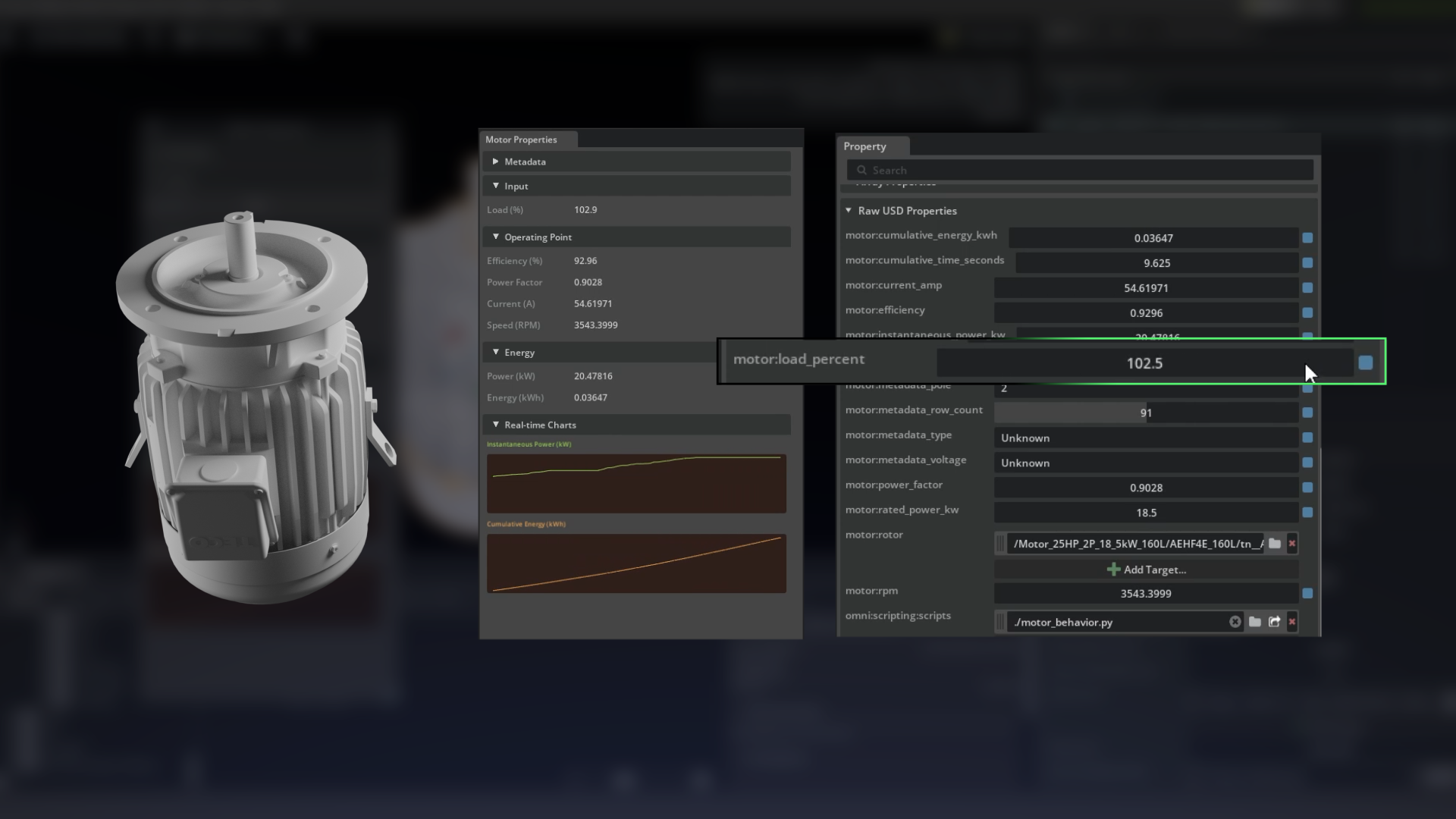
Industrial motors are foundational components across semiconductor fabs, advanced manufacturing facilities, and data center infrastructure, directly impacting operational reliability, production efficiency, and energy efficiency. Yet much of today’s engineering data remains fragmented across CAD files, specification sheets, and engineering documentation, making scalable simulation and digital deployment difficult.
Using MetAI’s MetGen platform, using OpenUSD framework in NVIDIA Omniverse libraries, the project converts fragmented engineering data into SimReady industrial motor digital twins that support engineering simulation, energy and load analysis, operational validation, and future AI training environments.
Unlike traditional one-time 3D modeling workflows, the initiative aims to establish a reusable SimReady Asset Library architecture capable of scaling across product lines, industrial facilities, and future digital twin deployments.
“Industrial infrastructure is entering a new era where simulation and AI will become essential parts of engineering and operations,” said Wang Jung-pang, TECO electromechanical systems division head, “Through this collaboration with MetAI, we’re exploring how industrial motor assets can evolve from traditional engineering files into reusable digital infrastructure for simulation, validation, and future AI applications.”
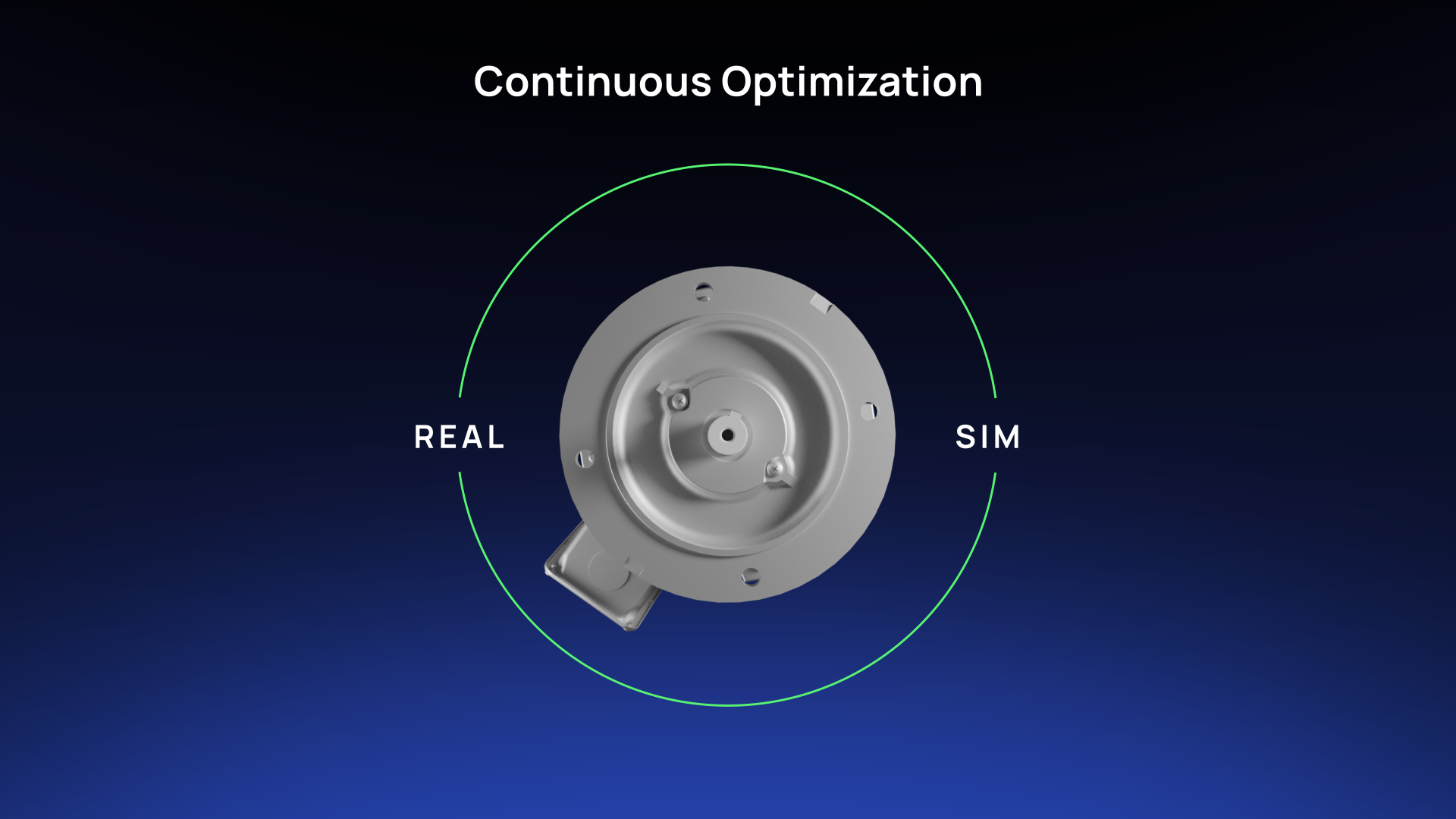
The collaboration reflects a broader industry transition toward simulation-first industrial workflows, where structured digital assets can support scalable engineering validation, energy optimization, and future Physical AI systems across semiconductor, advanced manufacturing, and data center environments. As enterprises increasingly adopt AI-driven operations, simulation is evolving beyond visualization into the data foundation powering next-generation industrial infrastructure.